technology ·
Neocloud firms, CoreWeave, Nebius face AI bubble fears amid high debt
The stock values of several companies in the neocloud sector have recently declined by about a quarter, mirroring the downturn seen in CoreWeave's shares over the last month, and this trend is not…
The stock values of several companies in the neocloud sector have recently declined by about a quarter, mirroring the downturn seen in CoreWeave's shares over the last month, and this trend is not isolated to just one firm.
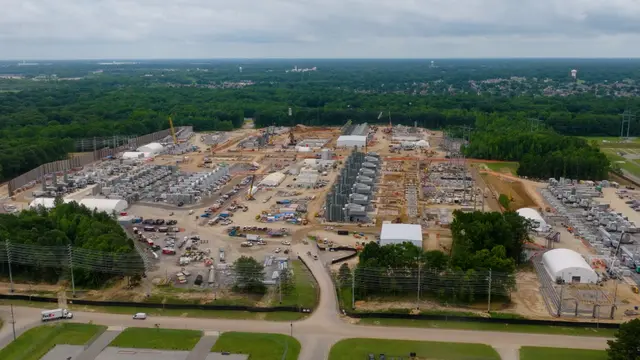
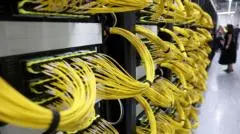
These data center companies, often referred to as neocloud firms, operate massive facilities filled with costly computing hardware, which they lease out to major artificial intelligence developers such as Meta, OpenAI, and Anthropic. Names like Nebius and CoreWeave are recognized within the technology circles of Silicon Valley and San Francisco, where these entities play a crucial role. The sheer volume of debt held by these data centers is measured in the tens of billions of pounds.
Financial stability is now a central topic of intense discussion within Silicon Valley, as many are questioning the fiscal health of these neocloud operators and what their recent setbacks reveal about the broader AI economy. Experts project significant consolidation: Gartner analysts forecast that by the year 2030, 80% of neocloud firms will "cease independent operations," while Forrester's specialists anticipate that at least three of these companies face imminent acquisition "as finances get shaky."
Treasury Secretary Scott Bessent attempted to minimize recent worries concerning these firms on CNBC, characterizing them as "a small component of the overall ecosystem, external." The business model of neocloud firms often involves securing financing through long-term rental agreements with large technology clients who require immediate access to computing capacity. Analyst Cory Johnson, from the IPO research firm "The Quiet Period," elaborated that these contracts, alongside the AI chips purchased, can serve as collateral for borrowing. He noted that debt is a common feature among neocloud companies because the necessary hardware must be purchased upfront.
Johnson further explained that lenders sometimes place greater weight on the creditworthiness of the neocloud firm's customers—like Microsoft or Meta—rather than the company itself. This perspective helps account for how CoreWeave managed to accrue $35.1bn (£26.3bn) in debt, despite being a much smaller entity compared to some of the Big Tech corporations it serves.
Some investors are displaying signs of nervousness, and debt investors are reportedly demanding progressively higher returns from several businesses within the industry. Mike Intrator, the CEO of CoreWeave, has countered this sentiment, asserting that the market is behaving "irrationally" and expressing strong conviction in the viability of the company's operational structure.
The infrastructure provided by CoreWeave is sought after by some of the world's most influential corporations and other AI services providers. Several neocloud companies have origins rooted in the volatile cryptocurrency mining sector, which involves businesses that generate digital currencies like Bitcoin. The physical infrastructure utilized by crypto miners is similar to that employed in AI development. CoreWeave began operations in 2017 with a specific focus on mining Ethereum. Similarly, IREN, Core Scientific, and Applied Digital all started in crypto mining, positioning them favorably when the AI field experienced an explosion in 2022 following the release of ChatGPT by OpenAI.
Nebius stands out as an anomaly; it was previously known as Yandex NV while operating under Russia's version of Google before rebranding in 2024. Currently, the success of these firms is tied directly to the fortunes of major AI developers and hyperscalers, which are themselves massive data center operators that neocloud firms frequently rely on as key clientele. Melissa Otto, head of Visible Alpha Research at S&P Global, observed, "There is just an enormous amount of spending getting injected into the system," describing the situation as "an arms race." However, Charlie Dai, a VP and principal analyst at Forrester, cautioned that the inherent risk of their operational model is "greater financial risk" when facing shifts, including any alterations in spending plans made by their large technology clients.
When Microsoft and Google recently projected lower AI expenditure than Wall Street analysts had anticipated, shares in numerous neocloud firms dropped. Furthermore, the public offering of shares by Anthropic and OpenAI in the coming months places significant weight on the sector's stability. Bradley Tusk of Tusk Ventures warned that if AI turns out to be a bubble that bursts, neocloud firms "are definitely going to face collateral damage."
The continued ability of these neoclouds to secure financing is also a dependency, a process that becomes more costly as interest rates climb. Elon Musk recently suggested via a social media post that this financial pressure could lead to more than 200 neoclouds experiencing "guppy-level death and consolidation," noting that the smaller companies would be the most susceptible, adding, "Some will make it through, but not many."
Despite these concerns, analysts at Yorkville Ives maintain that the demand for computing power still surpasses the available supply, asserting that neoclouds are filling a vital void that larger data center organizations cannot address. Nevertheless, the recent instability within the neocloud sector is causing worry for some observers. For instance, Microsoft recently terminated an agreement with Nscale, a British neocloud company, due to power supply issues that could persist until 2030. Additionally, Australia's Firmus recently decided against moving forward with plans to conduct an initial public offering. These events occur against a backdrop of public skepticism toward data centers and ongoing debates regarding the actual value AI can bring to worker productivity. Johnson remarked, "There's reason to worry."