technology ·
West Virginia faces AI data center growth, threatens rural life

In the Allegheny Highlands, a small town of only 600 residents, I live in Davis, West Virginia, where we cultivate our food, construct our dwellings, repair our vehicles, and always pass items along…
In the Allegheny Highlands, a small town of only 600 residents, I live in Davis, West Virginia, where we cultivate our food, construct our dwellings, repair our vehicles, and always pass items along rather than discarding them. While I can wander for miles through the woods without encountering another soul, a trip to the grocery store inevitably brings me into contact with a friend, illustrating the deep connections found here. We value not only the resilience inherent in our community but also the kindness that defines us; although our lives may appear modest, they overflow with purpose, connection, and a profound sense of belonging.
This cherished way of life, where people know your name and there is space to contribute meaningfully, is situated amidst some of the world's oldest and most biodiverse mountain ranges. The sheer wonder of inhabiting Appalachia comes from feeling our own significance while simultaneously being humbled by the immense variety of life surrounding us, a world that is presently undergoing a drastic transformation.
This change is driven by the AI race, with West Virginia facing a situation where it is being sold to the highest bidders. This predicament stems from a 2025 bill that expedites the establishment of power plants and data centers while simultaneously diminishing power within local communities. By foregoing protective measures and bypassing local governance, our state lawmakers have effectively sent an unmistakable signal to outside investors: West Virginia is available for acquisition, and the needs of its residents are being disregarded.
State officials, developers with speculative interests, and external AI corporations are promoting hollow assurances of job creation and economic advantages, all while ignoring the actual costs and dismissing the concerns of the populace. A representative from a Virginia-based firm planning a 10,000-acre complex encompassing a power plant and data center in my hometown remarked that people like me reside in "the middle of nowhere," adding that the company's planned power plant is "just a drop in the bucket."
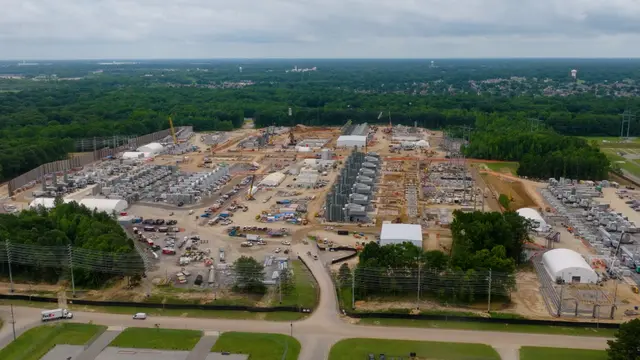
The entities developing these AI and hyperscale data centers are engaging in an increasingly rapid contest to supplant us. They are blurring the boundary separating human beings from machines, thereby creating a division between humanity and the natural world. To achieve this, they have proceeded with apparent indifference, converting our forests and agricultural lands into endless rows of inert storage facilities.
These digital advancements are placing the burden of this technological future upon our rural communities, yet it is a future we actively do not desire. The vision I hold for the future is already present: it resides in our mountains, in local gardens, in leisurely neighborhood bike rides, in businesses owned locally, and in town hall assemblies. It is the assurance that a friend can always be called for assistance, and if my service cuts out—which happens frequently—the certainty that a stranger will pause to inquire if I am well.
The spirit of West Virginians is found in their daily efforts to secure clean water, maintain healthcare access, protect public school funding, support childcare, and ensure a voice that genuinely belongs locally. The inherent beauty of Appalachia is that we are not merely observers of our mountains from a distance; we are intrinsically a part of them, just as they are a part of us.
While some aspects of rural life echo an older way of existence, these communities also provide blueprints for a more humane future. We possess knowledge regarding the damage inflicted by ceaseless resource extraction. Our path forward involves rejecting yet another industry based on extraction and instead embracing the lifestyle that West Virginians have already collaboratively established.
Beyond the threats to our environment, our water sources, and our way of life, the rise of AI has forced us to examine fundamental questions about what it means to be human and what kind of society we wish to inhabit. Confronting these inquiries has been challenging, but it has also brought the necessary answers into sharp focus. Regardless of our age, background, location, religious beliefs, or political leanings, the overwhelming majority of us have held these answers internally all along. Our future lies in being human—together—within every small corner of the Earth that we call home.
Nikki Forrester is the co-founder of Tucker United, a local coalition actively opposing a proposed data center complex in Tucker County, West Virginia, while simultaneously championing economic growth driven by the community itself.