technology ·
Democrats see AI hate as winning issue heading into 2028
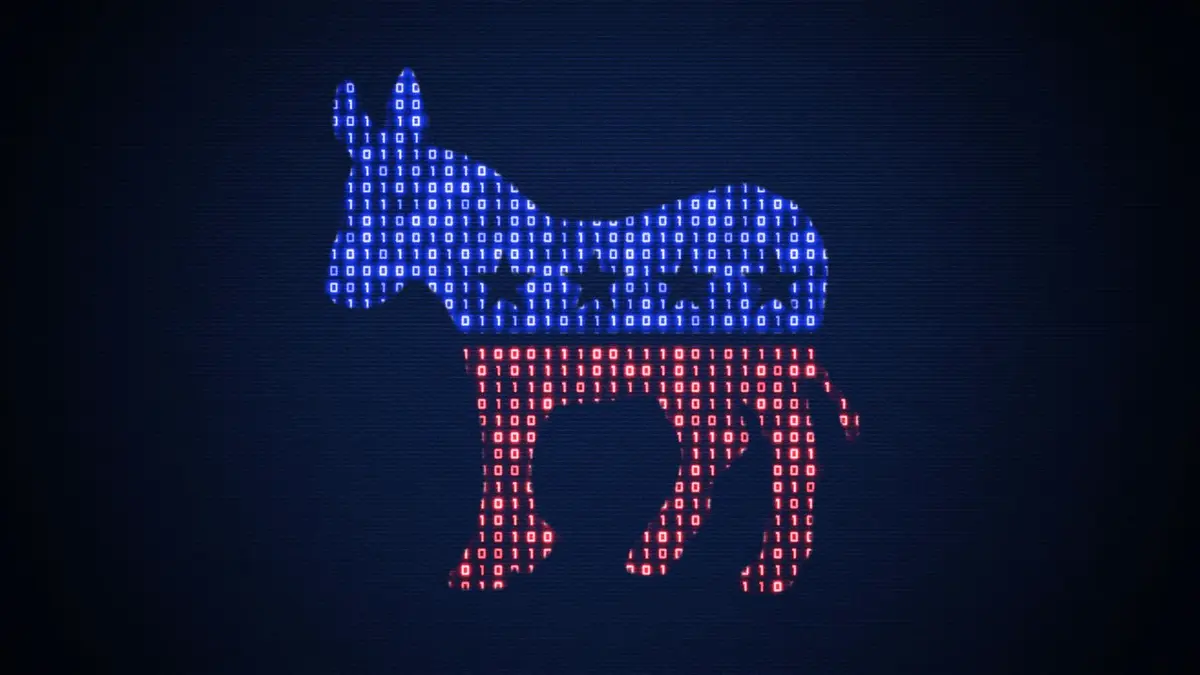
Discussions surrounding artificial intelligence are becoming a central political rallying point for Democrats heading toward the 2028 election cycle, according to an analysis shared exclusively with Axios. This shift positions AI anxiety as a potent political tool for Democrats, while the Republican party appears divided regarding its proper response. New research from Upswing, commissioned by Reset Tech, a nonprofit dedicated to advocating for technology regulation, reveals that numerous 2028 hopefuls, including figures such as Kamala Harris, Gavin Newsom, Pete Buttigieg, Jon Ossoff, and Alexandria Ocasio-Cortez, have noticeably heightened their commentary on AI in recent months.
Within the group of twenty-one Democrats identified as prospective 2028 candidates, mentions of technology on the platform X have nearly quadrupled, and press release mentions have seen a nearly threefold increase since the beginning of this year. Currently, technology represents the second most frequently discussed subject in official releases, only surpassed by discussions concerning employment and the broader economy; the highest volume of these mentions centers specifically on data centers and prohibitions against phones in educational institutions. Upswing compiled this data by examining close to 30,000 X posts from 38 accounts connected to the twenty-one potential presidential contenders, alongside 3,868 press releases issued by 16 elected officials between January 1st and October 15th.
What this suggests beneath the surface is that Democrats are uniting around AI as a key issue capable of securing electoral victories. Rishi Bharwani, the U.S. director of Reset Tech, informed Axios that Democrats are "taking a meaningful advantage" regarding AI, a subject that was initially viewed as an uncertain "jump ball" for both major political factions. He further noted that over the past half-year, the topic of AI regulation has transitioned from a minor concern to a premier issue. Although the economy continues to hold the greatest importance for voters, AI is increasingly woven into financial conversations because it is dominating markets and the macroeconomic environment.
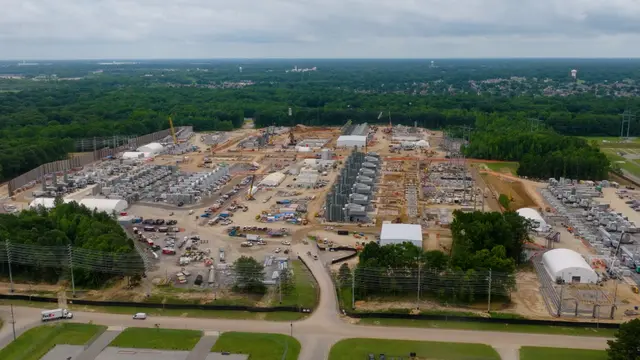
Looking closer at the legislative front, while bans on data centers have been put forward in states controlled by both Democrats and Republicans, New York stands as the sole jurisdiction thus far to enact a moratorium. Furthermore, House Democrats have introduced a resolution that opposes governmental financial support for AI corporations should the supposed "bubble" burst. Beyond this, a variety of legislative suggestions exist, encompassing measures for model transparency and the implementation of kill switches.
This political momentum arrives against a backdrop of growing apprehension among the general electorate concerning AI. A September survey conducted by YouGov, which surveyed nearly 1,500 individuals across the political spectrum, indicated that most Americans take seriously the potential dangers that AI might create. That same poll also reported that likely voters place greater confidence in Democrats than they do in Republicans to handle artificial intelligence responsibly.
The opposing side presents a different dynamic, as Republicans find themselves caught between their constituents' worries about AI and President Trump's enthusiastic, unrestricted support for the industry. Various Republicans are actively moving away from Trump to differing extents; for instance, Governor Ron DeSantis (R-Fla.) has been one of the most vocal proponents of state-level oversight regarding this technology.
In summation, Democrats are beginning to consolidate around a more critical perspective on AI, yet whether this stance will translate into a significant impact on upcoming elections remains to be determined.